Exploring the wonders of Tongatapu on our own

What an epic day! What a fascinating country! We arrived at Fua’amoto international airport at noon, without knowing what awaited us in this mysterious country called Tonga. It was definitely one of the most off-the-beaten path places we had ever visited, and we barely knew a few things about it. We quickly went over it in our heads: Tonga, an archipelago of over 170 islands. Population around 100,000, 70% of which live in the main island, Tongatapu, with about 20,000 in the capital, Nuku’alofa. Ancient masters of the seas, the only Polynesian nation that has never been colonized, and now a Christian kingdom. Rather poor, with high dependence on remittances from its numerous immigrants. Safe, though the last time it was on the news was for the 2005 riots against the government. Great at rugby. And that was pretty much all.

Continue reading “Exploring the wonders of Tongatapu on our own”
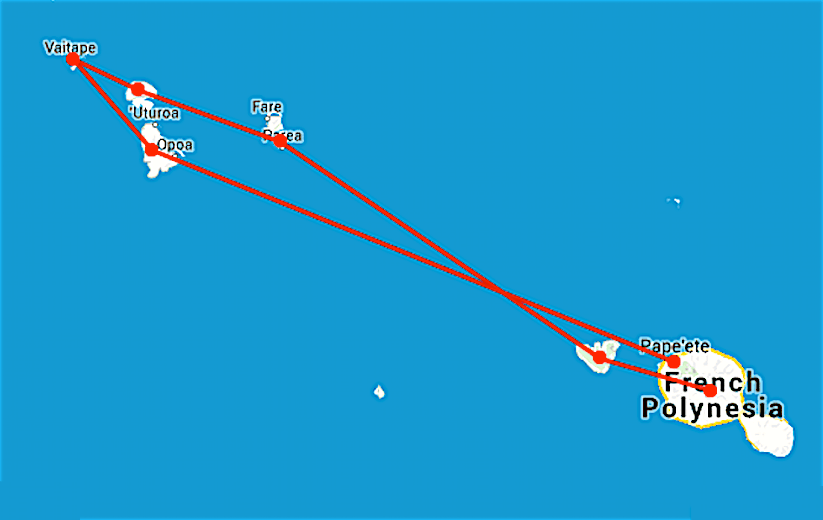
Destination guide – French Polynesia

MUST DO:

  • Bareboat sailing, pure freedom
  • Landscapes of Moorea
  • Beach and snorkeling in Huahine
  • Lagoons of Bora Bora
  • Shark diving
  • Heiva festival in July

NICE TO HAVE:
Continue reading “Destination guide – French Polynesia”

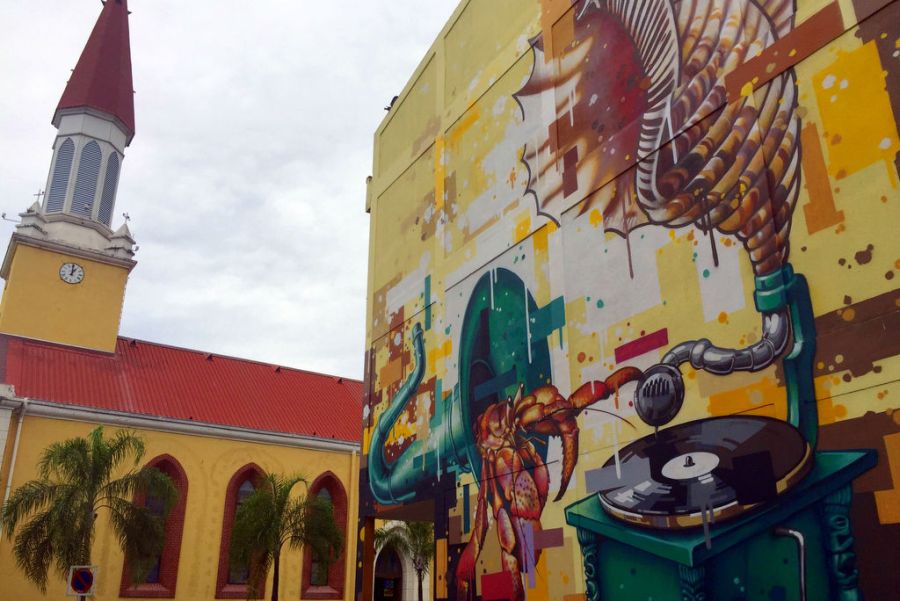
What to see in Papeete

Any visit to Papeete has to start at the market, the heart of the city. It’s a great place to shop for a colorful sarong, grab a bite (fruit on the lower level and fish in the upper one recommended) or simply watch local people go about their lives. The market is located in the center of the city, which is rather small and easy to walk around. Because we had flown in the previous night from Raiatea, where we returned our catamaran, and we were flying out to Tonga that night, we decided to stay at a hotel by the airport. It was quite convenient! To get to the city center, we simply took the public bus that stops right in front of the terminal and takes 15 min, for CPF 130 ($1.5). We do recommend renting a car to explore the rest of the island of Tahiti, as we did on our first day.

Continue reading “What to see in Papeete”

How to visit the Cu Chi Tunnels on your own

The Cu Chi tunnels are one of the best known “tourist attractions” in South Vietnam. And I put quotation marks because the tunnels are much more than a museum for the enjoyment of national and foreign visitors; they are raw history of Vietnam’s war times. The local people of Cu Chi started digging this 250km network of connecting underground tunnels during the French occupation in the 40s and continued in the 60s, when they were used by the North Vietnamese to fight the American/South Vietnamese army. The tunnel system comprised not only corridors, but also all sorts of rooms (sleeping, dining, hospital, storage), booby traps, air filtration systems, etc., and was estimated to have hosted 16,000 people. The history of the tunnels is fascinating, a classic example of a guerilla resisting against a military superpower. The US launched massive bombing campaigns against the tunnels and sent several infantry divisions to try to find the entrances and force the Viet Cong out, but failed repeatedly. Being a history enthusiast, I definitely wanted to see this site during our trip to Vietnam, even more so after our day getting educated about the war in Saigon.

Continue reading “How to visit the Cu Chi Tunnels on your own”

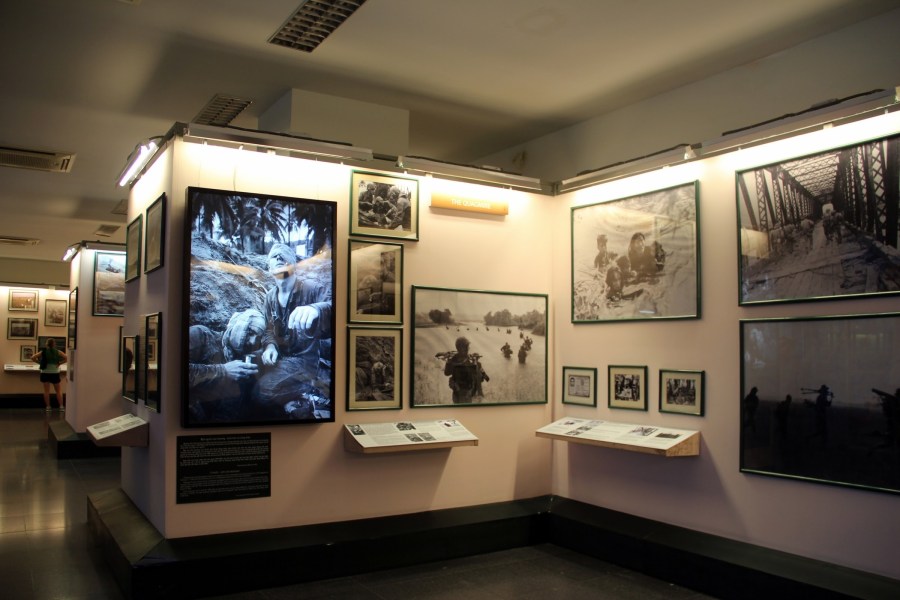
Saigon and the horrors of war

Ho Chi Minh City is commonly referred to by locals and visitors as Saigon. These names encapsulate the rich past of Vietnam’s largest city, the “capital” of the South. It’s definitely not a charming town, but it is an excellent place to learn about history and war. We had arrived on a night train from relaxing Nha Trang beach, and after a quick fruity breakfast at the famous Ben Thanh Market, we were eager to start exploring.

Continue reading “Saigon and the horrors of war”

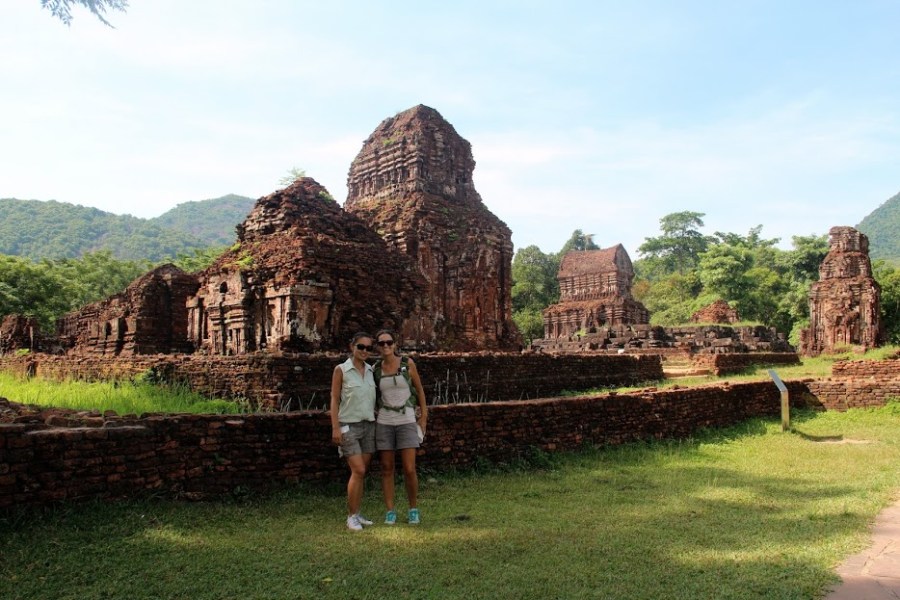
The temples of My Son, a great day trip form Hoi An

Pretty much unknown to us, the Champa Kingdom was one of the greatest Asian civilizations, ruling central and southern Vietnam from the 2nd to the 17th century. Hoi An was their commercial capital and My Son the spiritual one. Dozens of Hindu temples were built at this location between the 4th and the 14th century, only to be reclaimed by the jungle when the empire fell under the Nguyen dynasty.

Continue reading “The temples of My Son, a great day trip form Hoi An”

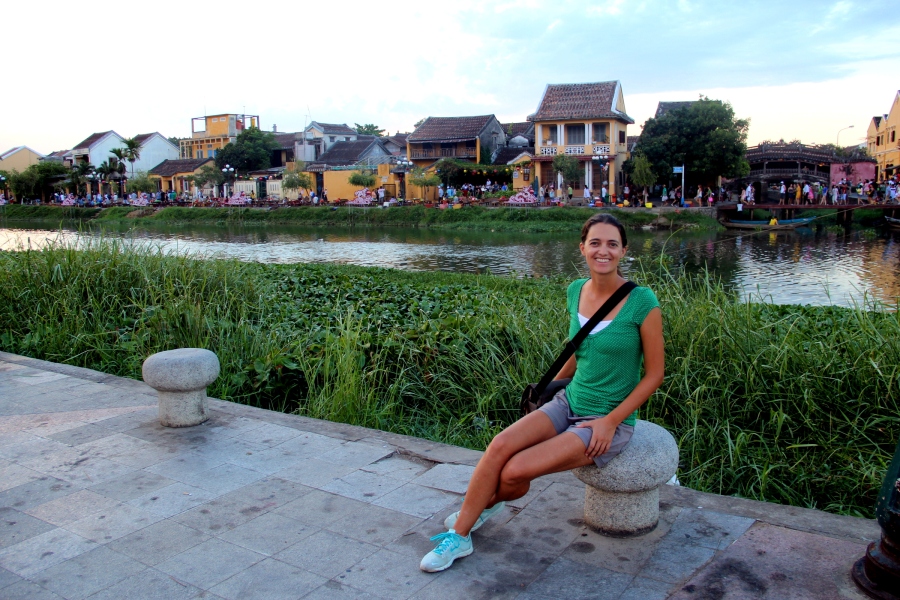
Walking around Hoi An, Vietnam’s jewel

Hoi An is, without a question, the most charming city of Vietnam. Nicely preserved and protected by its UNESCO World Heritage Site status, it enamors you with its yellow French colonial buildings, Chinese-style shop-houses, lively riverfront and colorful nights. It is, in contrast with the rest of the cities we visited in this trip, a city for pedestrians, with the Old Town closed to cars and even motorbikes at certain times. Continue reading “Walking around Hoi An, Vietnam’s jewel”

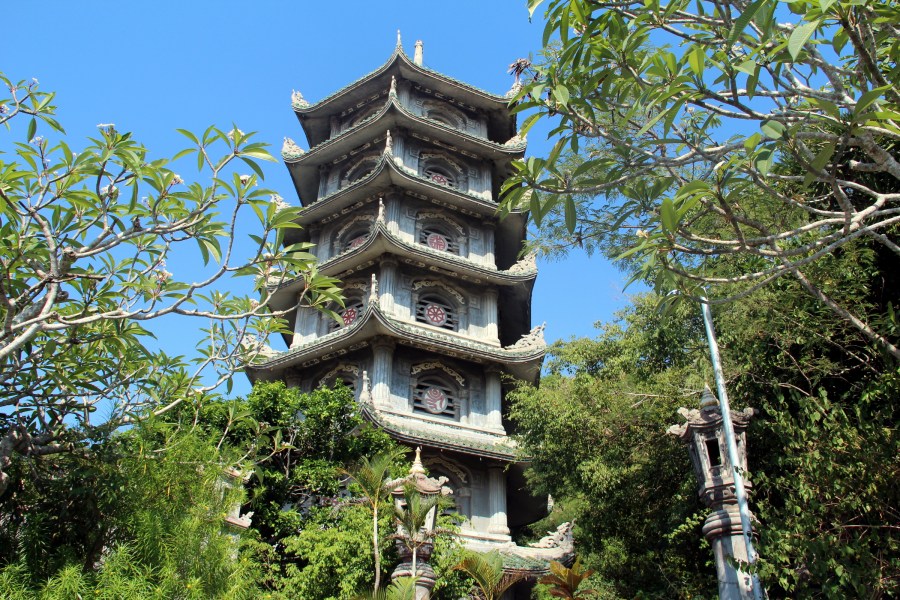
How to visit Danang’s Marble Mountain on your own

Danang (or Da Nang) makes for a nice stop between the imperial capital Hue and the tourist favorite Hoi An. Most travelers visit its most famous site, the Marble Mountains, as a day trip from either one of those. But, as usual, we wanted to avoid organized tours, and found a simple way to do it on our own. First, we had to take a 3 hour public bus from Hue, which dropped us off in the center of Danang late afternoon. Continue reading “How to visit Danang’s Marble Mountain on your own”

Tombs and more in Hue, the imperial capital of Vietnam

Hue was a positive surprise in our trip. I have to admit, I wasn’t familiar with the pre-war history of Vietnam and hadn’t heard of this city. But as I read more and more about the Nguyen dynasty, I started to get excited about visiting the 19th century imperial capital. We arrived mid-morning in a sleeper train from Ninh Binh/Tam Coc, and from the station took a metered taxi to a hotel we had booked the night before. Continue reading “Tombs and more in Hue, the imperial capital of Vietnam”

What to see in Hanoi, the hectic capital of Vietnam

Hanoi is not the most welcoming city in the world, one really has to try to get to like it. On our first evening, we ventured to explore the Old Quarter, where our hotel was located. The narrow streets were taken over by people, motorbikes and shops, organized by trades (e.g. we were in the toys street). Between the heat and humidity and the masses of tourists, walking around felt exhausting, so we made our way to Hoan Kiem Lake (where the legend claims a giant turtle stole the king’s sword) and checked out Ngoc Son Temple. As we walked back toward the Old Quarter, taking a detour west to see less touristy areas, a brutal storm broke out. Luckily, before being completely soaked, we found the mall Hang Da, with lots of handicraft shops to keep us entertained until the skies cleared. And as we walked back through the night market, and to the nightlife/pedestrian-friendly area around Ta Hien, we were compensated by one of the most gorgeous sunsets ever. And then by some yummy local specialties – spring rolls, pho and bun cha are must tries.

Continue reading “What to see in Hanoi, the hectic capital of Vietnam”